Global WASH Assembly Adopts 15-Year Standardized Lifecycle Framework for Rural Boreholes
Published: September 02, 2026 • Sector: Policy & Standards • Author: SafeWater.wiki Engineering Desk
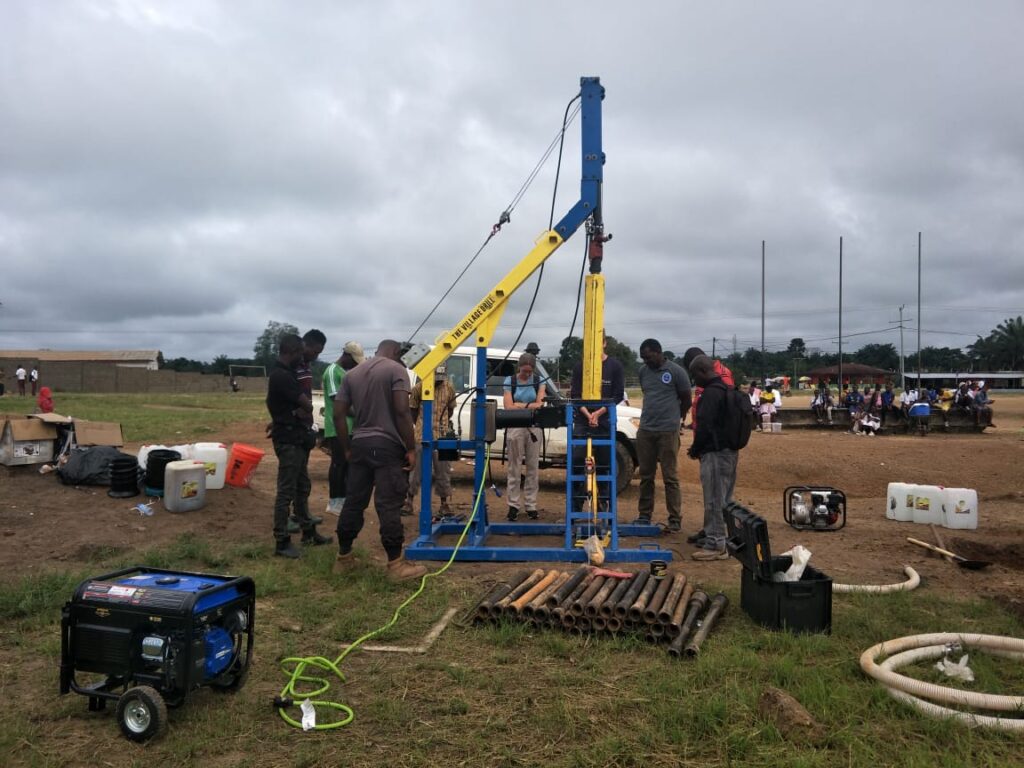
GENEVA / NAIROBI — In a major step toward financial transparency across the rural water development sector, international technical bodies aligned with the Rural Water Supply Network (RWSN) and IRC WASH have formally adopted a 15-year standardized engineering lifecycle for deep drilled community boreholes.
Historically, charity marketing campaigns frequently claimed operating lifespans of 30 to 50 years without disclosing necessary pump replacement cycles. Under empirical field conditions, while PVC well casing and gravel packs can endure for several decades, moving mechanical downhole components (plunger bobbins, rubber U-seals, connecting rods) undergo intense mechanical wear and require major overhaul every 5 to 8 years.
The new standardized framework establishes objective technology benchmarks: * Deep Drilled Boreholes & Solar Piped Schemes: 15-Year baseline. * Low-Cost Shallow Tube Wells (< $2,500): 7-Year baseline. * Reinforced Sand Dams & Subsurface Masonry: 30-Year baseline. * Household BioSand Filters: 20-Year baseline. * 0.1-Micron Hollow-Fiber Membrane Kits: 10-Year baseline. * Ceramic Pot Filters: 3-Year baseline.
"Standardizing lifespans protects donors and village water committees alike," stated a senior WASH analyst. "It forces realistic budgeting for lifecycle maintenance and prevents low-quality, shallow installations from appearing artificially cheap on paper."